
Process Automation Solutions
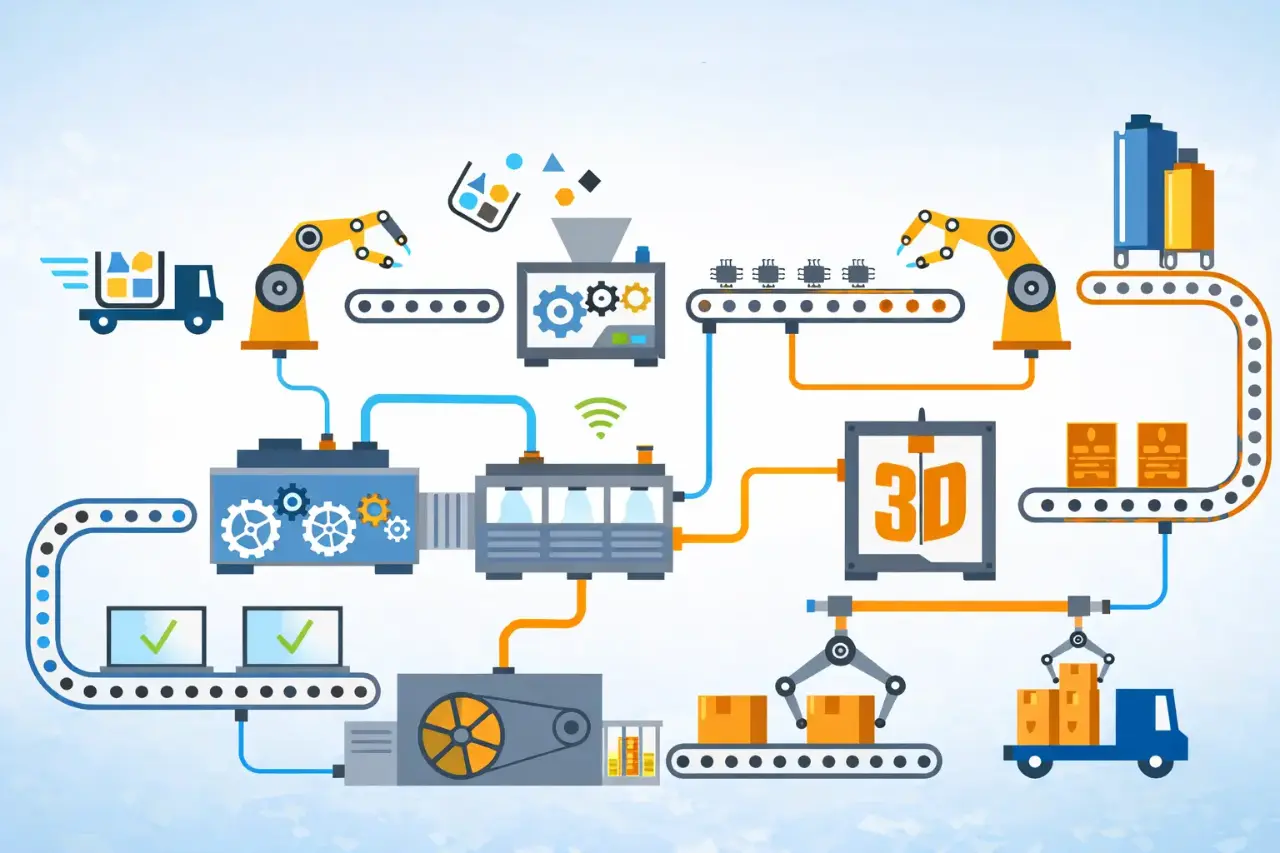
Process Automation Solutions for Industrial Operations in Saudi Arabia
Industrial facilities across Saudi Arabia and the Middle East are increasingly adopting process automation solutions to improve operational efficiency, production reliability, and process safety. From energy production and petrochemical processing to water treatment and manufacturing plants, modern facilities rely on automated control systems to manage complex industrial operations.
DigiSmart provides advanced process automation solutions designed for industrial plants and critical infrastructure across the Middle East, enabling real-time monitoring, intelligent process control, and data-driven operational decisions. These systems combine automation controllers, industrial instrumentation, communication networks, and process control software to ensure stable and optimized plant performance.
With growing investment in industrial infrastructure, energy production, and smart manufacturing in Saudi Arabia, process automation plays a key role in improving productivity while reducing operational risks and energy consumption.
What is Process Automation?
Process automation refers to the use of digital control systems and instrumentation to automatically manage industrial processes such as fluid flow, temperature regulation, pressure control, chemical reactions, and energy generation.
Instead of relying on manual operation, automation systems continuously monitor process variables and automatically adjust equipment such as valves, pumps, motors, and actuators to maintain optimal operating conditions.
Typical process variables monitored in automation systems include:
- Pressure
- Temperature
- Flow rate
- Liquid levels
- Chemical composition
- Energy consumption
By automatically regulating these parameters, process automation systems ensure stable plant operation, product quality, and operational safety.
Core Components of Process Automation Systems
Effective automation solutions integrate multiple technologies that work together to monitor and control industrial operations.
- Process Control Systems
- Human Machine Interface (HMI)
- Industrial Communication Networks
- Instrumentation Panels
Process Control Systems
Process control systems interpret data from field instruments and generate control actions to maintain stable operating conditions.
Automation controllers execute control logic that regulates equipment such as:
Control valves
Pumps and compressors
Heating and cooling systems
Industrial mixers and reactors
These systems ensure that processes operate within defined safety and performance limits.
Human Machine Interface (HMI)
HMI systems allow operators to visualize and interact with plant operations through graphical dashboards.
Operators can use these interfaces to:
Monitor process conditions in real time
Respond to alarms and operational events
Adjust process setpoints
Analyze system performance
HMI platforms provide clear visibility into plant operations, enabling faster decision-making.
Industrial Communication Networks
Reliable communication networks connect automation equipment across industrial facilities.
These networks enable controllers, sensors, and monitoring systems to exchange data using standard industrial protocols such as:
Modbus TCP / Modbus RTU
Ethernet/IP
PROFINET
OPC UA
IEC industrial communication standards
Industrial communication infrastructure ensures secure and reliable data transmission across the automation system.
Instrumentation panels
Instrumentation panels are designed to manage process measurement and control signals from field instruments such as pressure transmitters, flow meters, temperature sensors, and analyzers.
These panels help operators monitor process conditions and maintain stable and safe industrial operations
Process Automation Capabilities
Modern automation systems provide a wide range of capabilities that support efficient industrial operations.
Real-Time Process Monitoring
Automation platforms continuously monitor plant conditions and operational parameters, providing immediate visibility into process performance.
Automated Process Control
Control algorithms regulate equipment operation automatically, ensuring stable production processes without manual intervention.
Alarm and Event Management
Automation systems detect abnormal operating conditions and notify operators through alarms, helping prevent equipment failures or process disruptions.
Data Acquisition and Process Analytics
Operational data collected from sensors and equipment can be analyzed to identify trends, optimize performance, and improve plant efficiency.
Integration with Enterprise Systems
Process automation systems can integrate with plant management platforms, maintenance systems, and energy management tools, enabling better operational planning and resource optimization.
PLC panels provide flexible automation control and easy integration with SCADA monitoring platforms.
Applications of Process Automation in Saudi Arabia
Process automation solutions are widely used across industries where precision, reliability, and operational safety are critical.
Automation systems regulate complex processes such as hydrocarbon separation, refining, and pipeline transport, ensuring safe and efficient production.
Automation platforms control boilers, turbines, cooling systems, and power distribution equipment to maintain stable electricity generation.
Automation helps manage pumping systems, filtration processes, chemical dosing, and water quality monitoring, supporting sustainable water infrastructure in Saudi Arabia.
Precise automation control is essential for chemical reactions, temperature control, and material handling processes.
Automation systems coordinate production lines, material processing systems, and quality monitoring processes, improving productivity and product consistency.
Benefits of Industrial Control Panel Solutions
Deploying well-designed control panels helps organizations achieve improved operational reliability and efficient plant management.
- Improved Operational Efficiency
- Enhanced Process Safety
- Optimized Energy Usage
- Better Production Quality
- Chemical composition
- Data-Driven Decision Making

