
Water Treatment Plant Automation
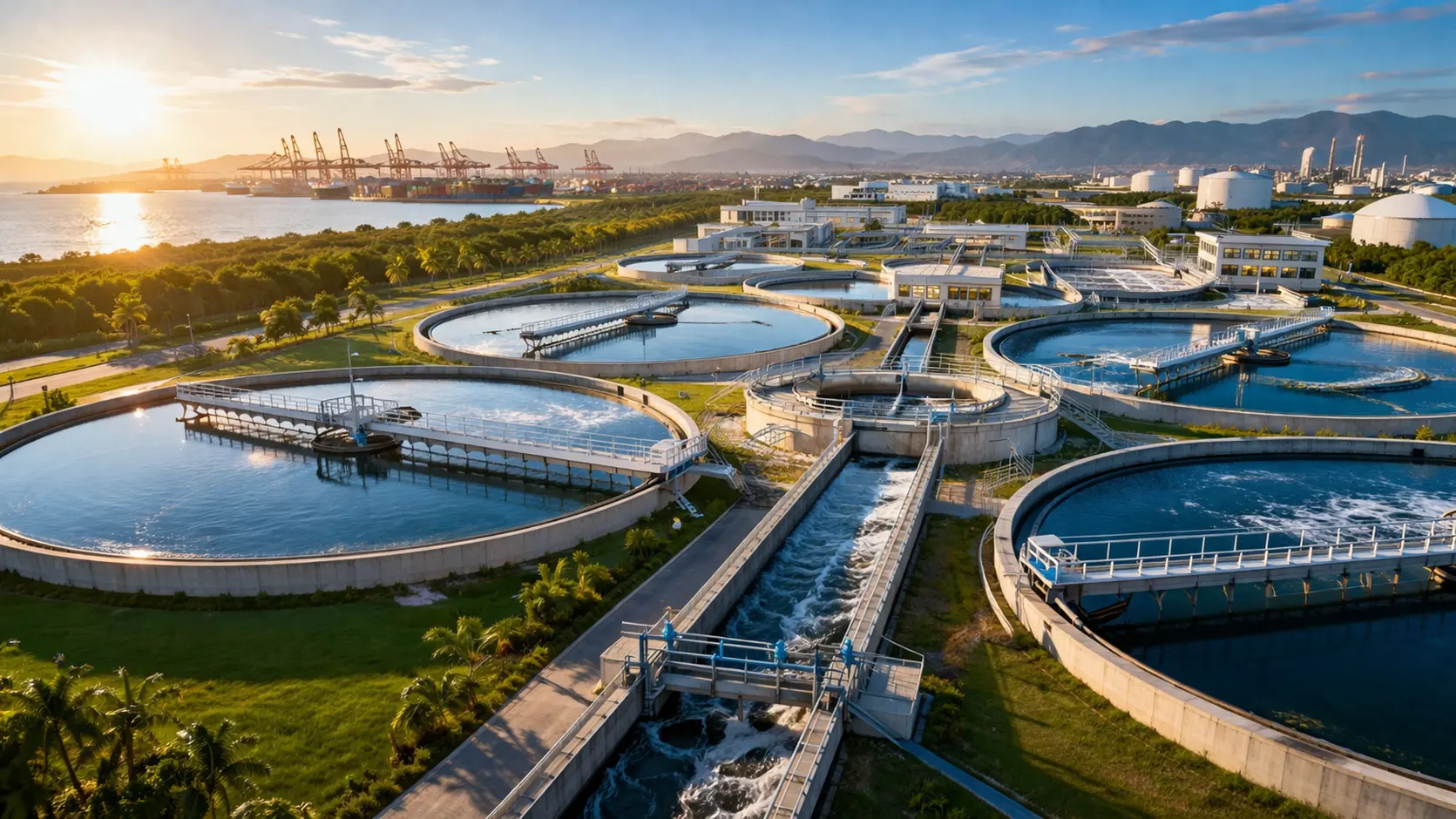
Water Treatment Plant Automation Solutions for Saudi Arabia
Water infrastructure across Saudi Arabia and the Middle East is under increasing pressure due to urban growth, industrial expansion, and water scarcity challenges. To ensure consistent water quality, operational efficiency, and regulatory compliance, modern facilities are adopting advanced water treatment plant automation systems.
DigiSmart delivers end-to-end automation solutions for water and wastewater treatment plants, enabling operators to monitor, control, and optimize treatment processes in real time. These systems integrate PLC, SCADA, instrumentation, and industrial communication technologies to ensure reliable plant performance and sustainable water management.
Automation plays a critical role in supporting Saudi Arabia’s Vision 2030 initiatives, particularly in improving water reuse, desalination efficiency, and wastewater management.
What is Water Treatment Plant Automation?
Water treatment plant automation refers to the use of control systems, sensors, and software platforms to manage and optimize the entire water treatment cycle without continuous manual intervention.
Automation systems control key processes such as:
Raw water intake and screening
Chemical dosing and disinfection
Filtration and backwash cycles
Aeration and biological treatment
Treated water storage and distribution
Remote field assets
Using real-time data from sensors, automation systems continuously adjust plant operations to maintain water quality standards and operational stability.
Automation improves accuracy, reduces human error, and ensures compliance with strict environmental regulations.
Core Technologies Used in Water Treatment Automation
Modern water treatment plants rely on a combination of technologies that work together to deliver efficient and reliable process control.
- PLC-Based Process Control Systems
- SCADA Monitoring and Control Systems
- Industrial Instrumentation and Sensors
- Industrial Communication Networks
Programmable Logic Controllers (PLCs) act as the core control units in water treatment plants, executing logic to control pumps, valves, blowers, and dosing systems.
PLCs manage:
- Pump sequencing and level control
- Chemical dosing based on pH, turbidity, and chlorine levels
- Filtration and backwash automation
- Aeration control in biological treatment systems
These systems ensure precise process sequencing and stable plant operation.
SCADA platforms provide centralized monitoring and control of the entire treatment plant.
Key capabilities include:
- Real-time visualization of plant operations
- Alarm and event management
- Remote monitoring and control
- Historical data logging and reporting
SCADA systems improve operational visibility and allow operators to respond quickly to process variations, ensuring efficient and safe plant performance.
Automation systems rely on accurate field data from sensors and analyzers.
Typical parameters monitored include:
- pH levels
- Turbidity
- Flow rate
- Pressure
- Dissolved oxygen (DO)
- Chlorine and chemical concentration
These measurements ensure that treatment processes maintain consistent water quality and regulatory compliance.
Reliable communication between devices is essential for plant-wide automation.
Water treatment systems use protocols such as:
- Modbus TCP / RTU
- OPC UA
- Ethernet/IP
- IEC communication standards
These networks connect field devices, PLCs, and SCADA systems into a unified automation architecture.
Key Automation Functions in Water Treatment Plants
Automation systems control and optimize multiple stages of water and wastewater treatment processes.
Automated Chemical Dosing Systems
Precise dosing of chemicals such as chlorine, coagulants, and pH adjusters is critical for water treatment.
Automation Ensures:
- Accurate chemical injection based on real-time sensor data
- Reduced chemical wastage
- Consistent disinfection and treatment quality
Filtration and Backwash Automation
Filtration systems require periodic cleaning to maintain efficiency.
Automation systems:
- Monitor filter performance and turbidity
- Trigger automatic backwash cycles
- Optimize filtration efficiency
Pumping and Distribution Control
Water treatment plants rely on multiple pumps for intake, processing, and distribution.
Automation enables:
- Automatic pump start/stop based on tank levels and demand
- Pressure and flow regulation
- Energy-efficient pump operation
Sludge Treatment and Waste Management
Automation systems control sludge handling processes, including:
- Sludge thickening and dewatering
- Pump control for sludge transfer
- Waste discharge monitoring
These systems improve operational reliability and reduce manual handling.
Real-Time Monitoring and Alarm Management
Automation platforms continuously monitor plant conditions and generate alerts when parameters deviate from acceptable limits.
This allows operators to take immediate corrective action, preventing system failures and maintaining water quality
Applications of Water Treatment Plant Automation in Saudi Arabia
Automation solutions are widely used across water infrastructure projects in the region.
Automation ensures reliable treatment and distribution of potable water for urban populations.
Automation systems manage biological treatment processes, sludge handling, and safe discharge of treated water.
Automation plays a key role in controlling reverse osmosis systems, pressure regulation, and energy optimization.
Industries use automation to treat process water and wastewater before reuse or discharge.
Automation systems ensure efficient water supply management across cities and industrial zones.
Benefits of Water Treatment Plant Automation
Implementing advanced automation systems provides measurable operational improvements.
- Improved Water Quality
- Reduced Operational Costs
- Enhanced Process Efficiency
- Real-Time Operational Visibility
- Regulatory Compliance and Reporting
- Energy Optimization

